

Enhancing Sustainability with Solar Power Facilities
The urgency of addressing climate change has never been more pressing. As global temperatures rise and natural disasters become more frequent, the need for sustainable energy solutions is paramount. One of the most promising avenues for achieving sustainability is through solar power facilities. These installations not only harness the sun's energy but also contribute significantly to reducing carbon footprints and promoting environmental stewardship. In this blog post, we will explore how solar power facilities enhance sustainability, their benefits, challenges, and the future of solar energy.
Understanding Solar Power Facilities
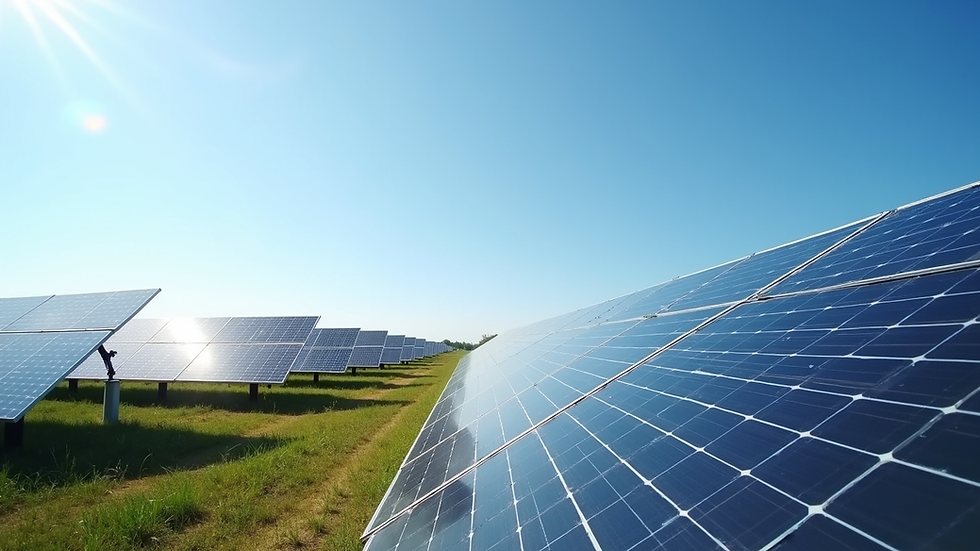
Solar power facilities are installations designed to convert sunlight into electricity. They can vary in size and complexity, from small residential systems to large-scale solar farms. The primary technology used in these facilities is photovoltaic (PV) cells, which convert sunlight directly into electricity.
Types of Solar Power Facilities
Residential Solar Systems
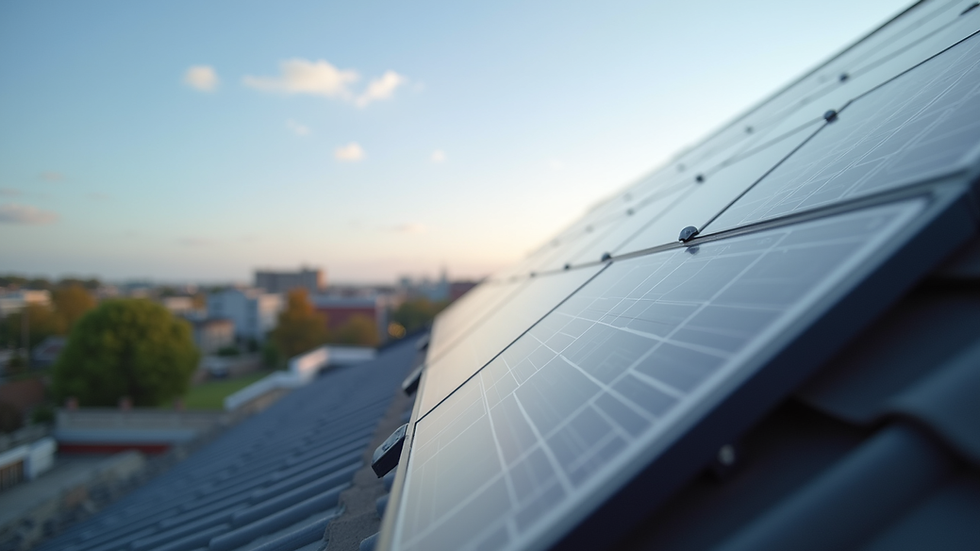
These are small-scale installations typically found on rooftops. They allow homeowners to generate their own electricity, reducing reliance on the grid and lowering energy bills.
Commercial Solar Installations
Businesses often invest in solar power to cut energy costs and enhance their sustainability profiles. These systems can be installed on rooftops or as ground-mounted arrays.
Utility-Scale Solar Farms
These large installations generate significant amounts of electricity, often supplying power to thousands of homes. They are usually located in areas with high solar exposure and can be connected to the grid.
The Benefits of Solar Power Facilities
Environmental Impact
Solar power facilities play a crucial role in reducing greenhouse gas emissions. By replacing fossil fuels with clean energy, they help mitigate climate change. Here are some key environmental benefits:
Reduction in Carbon Emissions
Solar energy is a clean source of power that produces no direct emissions. According to the U.S. Department of Energy, solar power can reduce carbon emissions by up to 80% compared to traditional energy sources.
Conservation of Water
Unlike fossil fuel power plants, which require vast amounts of water for cooling, solar power facilities use minimal water. This is particularly important in arid regions where water scarcity is a concern.
Economic Advantages
Investing in solar power facilities can lead to significant economic benefits:
Job Creation
The solar industry has become a major job creator. According to the Solar Foundation's National Solar Jobs Census, the U.S. solar industry employed over 250,000 workers in 2019, a number that continues to grow.
Energy Independence
By harnessing solar energy, countries can reduce their dependence on imported fossil fuels, enhancing energy security and stability.
Social Benefits
Solar power facilities also contribute to social well-being:
Access to Electricity
In remote areas where grid access is limited, solar power can provide a reliable source of electricity, improving quality of life and enabling economic development.
Community Engagement
Many solar projects involve local communities in their planning and implementation, fostering a sense of ownership and pride.
Challenges Facing Solar Power Facilities
Despite their numerous benefits, solar power facilities face several challenges that must be addressed to maximize their potential.
Initial Costs
The upfront costs of installing solar power systems can be a barrier for many individuals and businesses. Although prices have decreased significantly over the past decade, the initial investment can still be substantial. However, various financing options, such as solar loans and leases, can help alleviate this burden.
Intermittency of Solar Energy
Solar power generation is dependent on sunlight, which means it is not always available, particularly at night or during cloudy weather. This intermittency can pose challenges for energy reliability. To address this, energy storage solutions, such as batteries, are being developed to store excess energy for use during low production periods.
Land Use Concerns
Utility-scale solar farms require large areas of land, which can lead to conflicts with agricultural or natural land uses. Careful planning and site selection are essential to minimize these impacts and ensure that solar facilities are developed sustainably.
The Future of Solar Power Facilities
The future of solar power facilities looks promising, with advancements in technology and increasing adoption rates. Here are some trends to watch:
Technological Innovations
Improved Efficiency
Ongoing research is focused on developing more efficient solar cells, which can convert a higher percentage of sunlight into electricity. This could lead to smaller installations producing more energy.
Bifacial Solar Panels
These panels capture sunlight from both sides, increasing energy production. They are particularly effective in areas with reflective surfaces, such as snow or sand.
Policy Support
Government policies play a crucial role in promoting solar energy adoption. Incentives such as tax credits, rebates, and renewable energy mandates can encourage investment in solar power facilities. As public awareness of climate change grows, it is likely that more supportive policies will emerge.
Integration with Smart Grids
The integration of solar power facilities with smart grid technology can enhance energy management and distribution. Smart grids allow for real-time monitoring and control of energy flow, optimizing the use of solar energy and improving reliability.
Conclusion
Solar power facilities are a vital component of the transition to a sustainable energy future. They offer numerous environmental, economic, and social benefits while also presenting challenges that need to be addressed. As technology advances and policies evolve, the potential for solar energy to enhance sustainability will only grow.
By investing in solar power, we can take significant steps toward reducing our carbon footprint and promoting a cleaner, healthier planet. Whether you are a homeowner considering solar panels or a business looking to invest in renewable energy, now is the time to embrace the power of the sun. Together, we can create a sustainable future powered by clean energy.

Comments